Perseid Meteor Shower 2026 in Dubai & UAE: Best Places to See Shooting Stars
The Perseid meteor shower 2026 has been one of the biggest skywatching events of August, attracting attention across Dubai and the UAE.
The annual Perseids reached their peak overnight from August 12 into August 13, 2026, with this year’s event benefiting from a new moon and therefore darker skies. UAE astronomy and news sources highlighted the particularly favorable conditions for viewing away from city lights. But if you missed the peak, don’t assume the show is completely over.
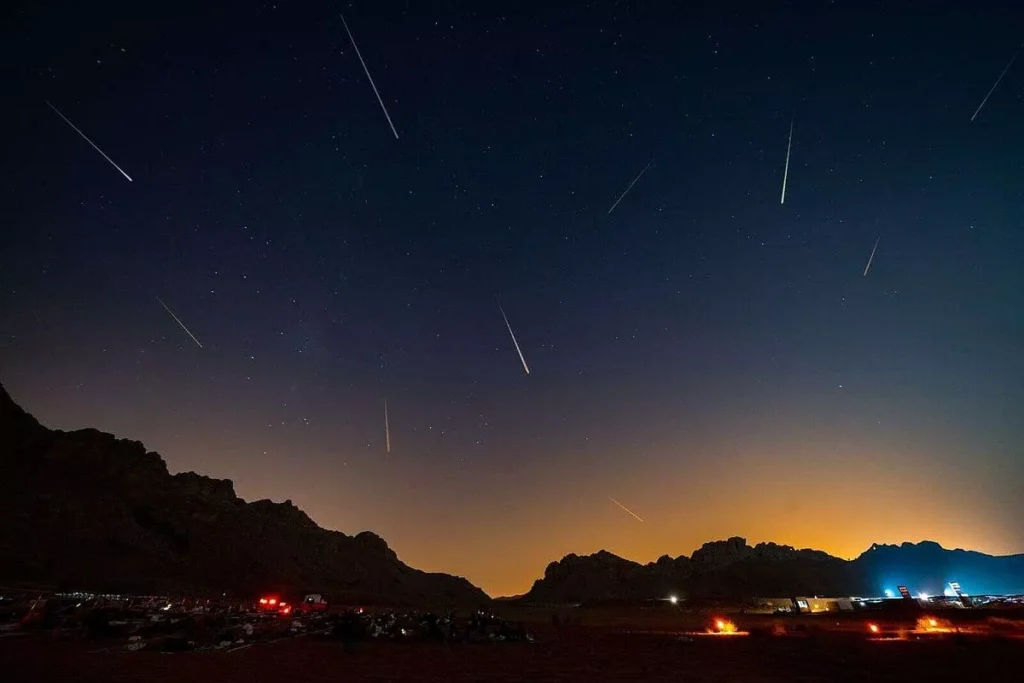
The Perseids remain active during August, meaning there can still be opportunities to see meteors after the peak, although activity gradually decreases. Current Dubai coverage is still highlighting Perseid viewing opportunities later in August.
For travelers visiting Dubai, this creates an interesting opportunity to combine a desert experience with nighttime skywatching.
What Is the Perseid Meteor Shower?
The Perseids are an annual meteor shower caused by Earth passing through debris associated with Comet 109P/Swift-Tuttle.
When tiny particles enter Earth’s atmosphere at very high speeds, they heat up and produce the bright streaks of light commonly called shooting stars.
The Perseids are one of the best-known annual meteor showers and are particularly popular because they occur during the Northern Hemisphere’s summer.
Under ideal dark-sky conditions, the shower can produce very high meteor rates. However, the frequently quoted figure of up to 100 meteors per hour is an idealized rate, not a guarantee that every observer will see 100 meteors. Actual visibility depends on light pollution, weather, location, sky conditions and the observer’s ability to see faint meteors.
When Did the Perseid Meteor Shower Peak in 2026?
The main Perseid peak occurred overnight August 12–13, 2026.
This year’s conditions were particularly favorable because the peak coincided with a new moon, reducing moonlight that would otherwise make faint meteors harder to see.
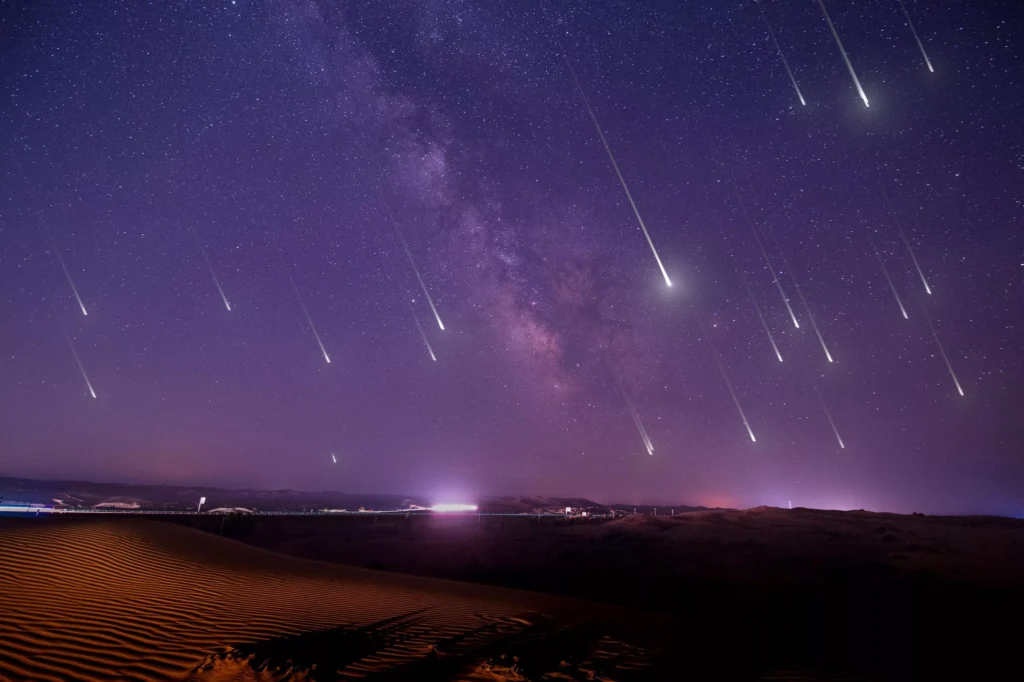
For observers, the best opportunities generally come after midnight and toward the early morning hours, when the sky is dark and the radiant is higher.
That is why getting away from bright city areas is so important.
Can You Still See the Perseids After August 13?
Yes, potentially.
The Perseid meteor shower is not limited to a single night. The August 12–13 period was the peak, when activity was highest, but the shower remains active around the peak period.
That means skywatchers can still potentially see Perseid meteors after the peak, although you should expect fewer meteors than during the maximum.
Current UAE coverage published this week has specifically noted that Perseids remain visible after the peak, including opportunities later in August.
Important for travelers
If you are visiting Dubai after August 13, don’t book a tour based on a promise of seeing a specific number of meteors.
Instead, look for a location with:
- Minimal light pollution
- A wide, unobstructed sky
- Clear weather
- Comfortable nighttime conditions
Why the UAE Desert Is Interesting for Stargazing
Dubai is famous for bright buildings, roads and skyscrapers.
Those city lights create light pollution, which makes faint stars and meteors more difficult to see.
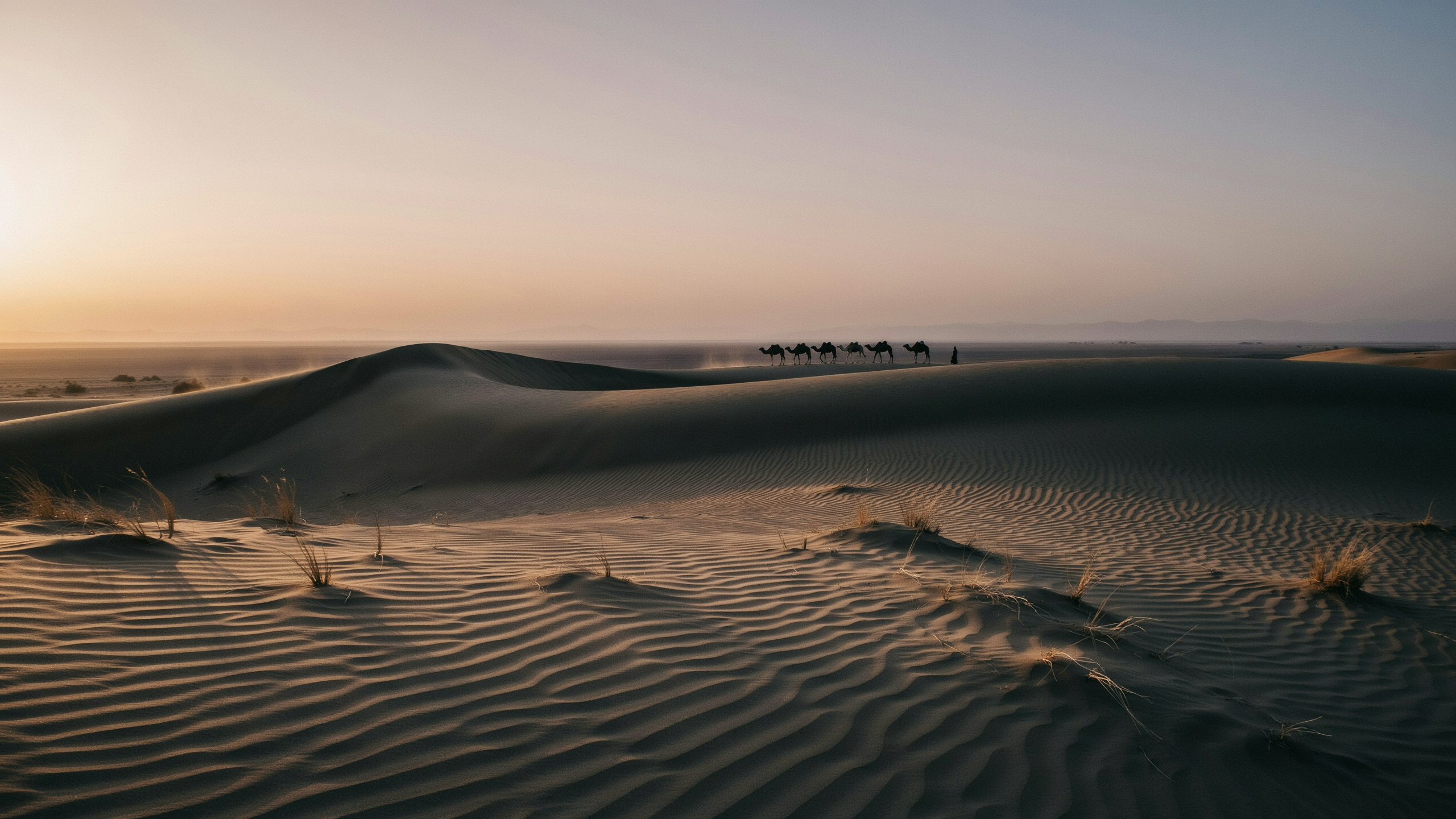
The desert offers a very different environment.
Once you travel away from heavily illuminated urban areas, the sky can become considerably darker.
That makes desert locations attractive for:
Stargazing
Astrophotography
Meteor watching
Night photography
Quiet evening experiences
UAE media have highlighted desert locations for Perseid viewing, including dedicated astronomy events and dark-sky areas.
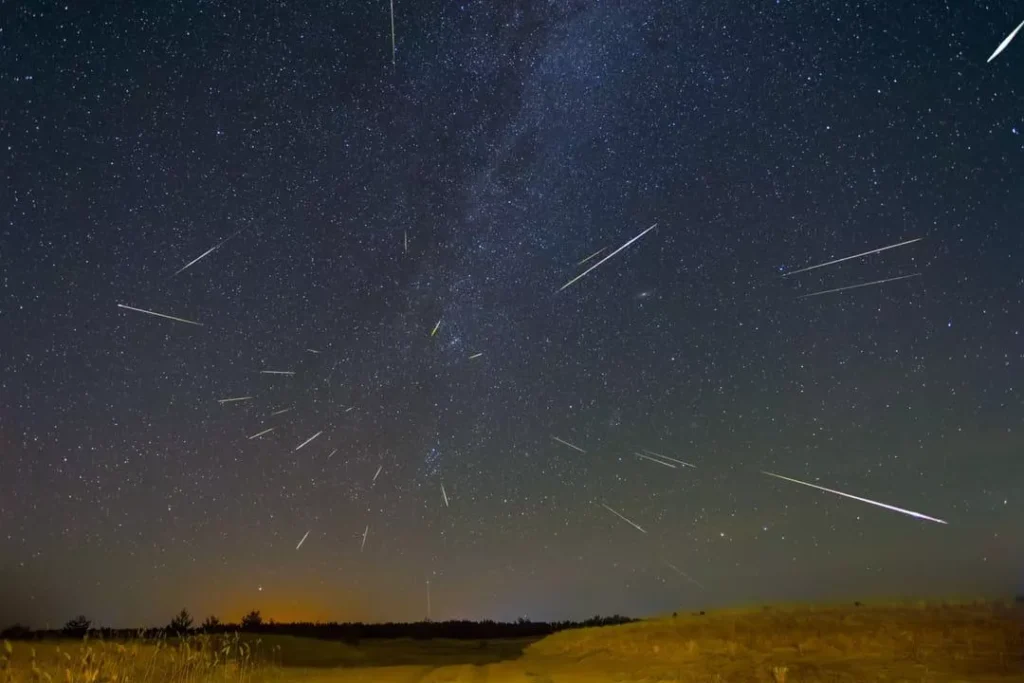
Best Places to Watch the Perseid Meteor Shower in the UAE
There are several desert and astronomy locations around the UAE that attract stargazers.
Mleiha National Park, Sharjah
Mleiha has become one of the UAE’s better-known destinations for astronomy and desert experiences.
This year’s Perseid event at Mleiha was held around the peak and included guided observation and educational activities. Gulf News reported on the event on August 14, describing an overnight gathering that continued into the early hours.
If you’re looking for a dedicated astronomy experience, checking official Mleiha events is preferable to simply driving into an unfamiliar desert area.
Al Khatim Desert
Al Khatim is another location that has attracted attention from stargazers.
However, travelers should not simply drive into an isolated desert location without checking current access and safety information.
This is especially important because Dubai Astronomy Group issued a warning concerning people heading toward Al Khatim during the Perseid period.
Other Dark-Sky Areas
Across the UAE, areas farther from major urban lighting can offer better conditions than central Dubai.
Before traveling, check:
- Weather
- Cloud cover
- Road conditions
- Access restrictions
- Official event information
- Whether a guide is required
Can You See the Perseids From Dubai?
Yes, meteors can potentially be seen from Dubai, but your chances depend heavily on where you are.
From central areas surrounded by buildings and streetlights, faint meteors can be difficult to see.
If you move toward darker areas away from the city’s strongest lights, your viewing conditions can improve.
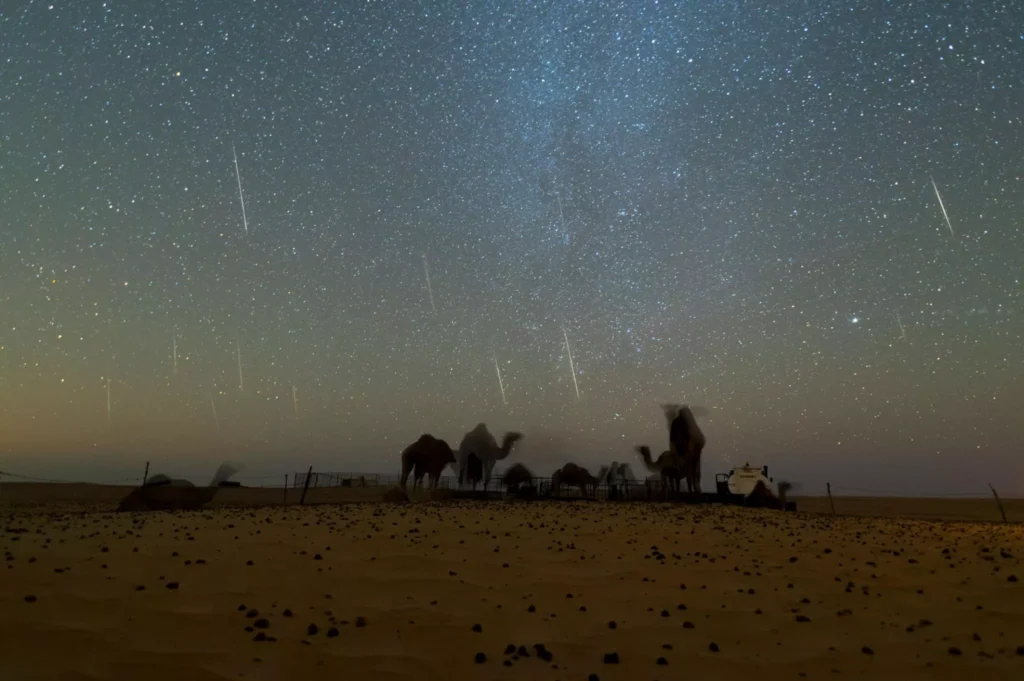
For this reason, travelers searching for:
“Perseid meteor shower Dubai”
may want to consider a desert or dedicated astronomy experience rather than trying to watch from a brightly lit hotel area.
Desert Safari Dubai and Stargazing
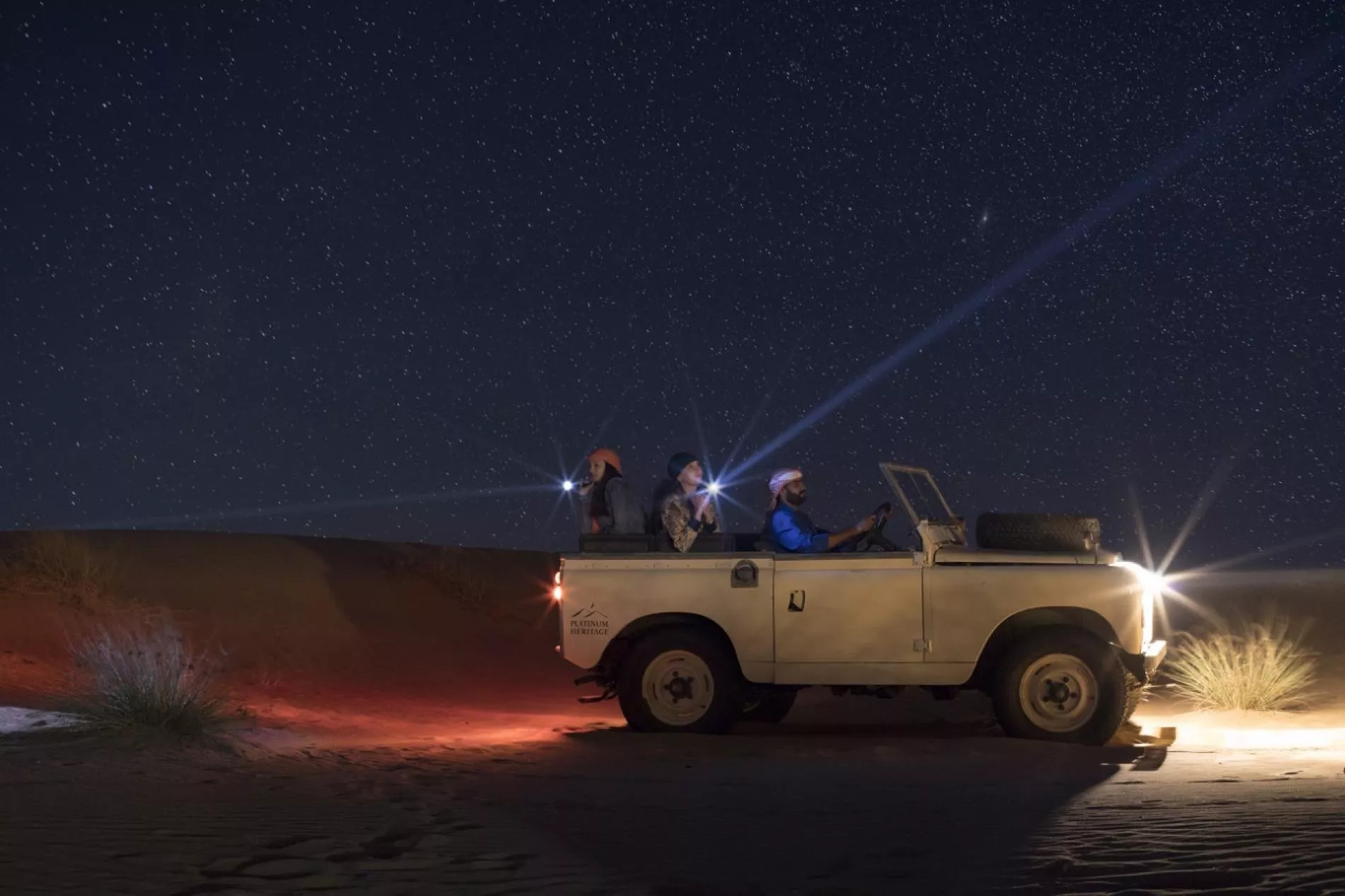
A traditional evening desert safari is not automatically an astronomy tour.
However, a desert safari can give travelers an opportunity to experience the desert after sunset.
A typical evening safari may include:
- 4×4 pickup
- Dune bashing
- Sunset photography
- Camel ride
- Sandboarding
- Desert camp
- BBQ dinner
- Traditional entertainment
- Nighttime desert surroundings
If you specifically want to watch meteors, ask the tour operator whether stargazing is actually included.
This distinction is important.
A normal desert safari should not be advertised as a dedicated Perseid meteor-shower event unless the operator is genuinely providing that service.
What Is the Best Time to Watch Shooting Stars?
For meteor showers, the hours after midnight are generally favorable.
The sky should be:
Dark + Clear + Away from artificial lights
You don’t need an expensive telescope.
In fact, meteors can appear across a large part of the sky, so using a telescope can actually limit your field of view.
Instead:
- Find a dark location.
- Lie back or sit comfortably.
- Look toward a broad section of sky.
- Allow your eyes time to adjust to darkness.
- Avoid bright phone screens.
- Be patient.
Current astronomy guidance recommends allowing your eyes time to adapt to darkness and avoiding bright screens when meteor watching.
Do You Need a Telescope to See the Perseids?
No.
One of the best things about the Perseids is that you can watch them with the naked eye.
You don’t need:
- Telescope
- Binoculars
- Expensive equipment
A wide view of the sky is actually more useful because meteors can appear in different parts of the sky.
How to Photograph the Perseid Meteor Shower With Your Phone
If you’re using a modern smartphone, you can try photographing the night sky.
For better results:
- Use Night Mode if available.
- Keep the phone completely stable.
- Use a tripod if possible.
- Turn off unnecessary screen brightness.
- Avoid touching the phone during exposure.
- Choose the darkest location possible.
- Take multiple photographs.
Don’t expect every photograph to contain a meteor.
Meteor photography is partly a matter of patience and luck.
What Should You Bring for Desert Stargazing?
If you’re heading into the desert at night, consider bringing:
- Water
- Phone
- Power bank
- Camera
- Tripod
- Comfortable clothing
- Sunglasses for earlier activities
- Light jacket if needed
- Insect protection where appropriate
If you are attending an organized astronomy event, follow the organizer’s equipment and safety instructions.
Is Desert Stargazing Suitable for Families?
Yes, astronomy can be an enjoyable family activity.
Children can learn about:
- Meteors
- Comets
- Stars
- Planets
- Earth’s atmosphere
- The night sky
Dedicated astronomy events may also include educational presentations or activities for children. For example, the Mleiha Perseid event reported this week included interactive activities and quizzes for children.
For a regular desert safari, however, parents should check the package and age requirements for dune bashing, ATV riding and other activities.
Desert Stargazing for Couples
A quiet desert evening can also be attractive for couples.
Instead of spending the entire evening in the city, couples can combine:
Sunset + Desert + Dinner + Night Sky
A private desert safari can provide more privacy than a shared tour.
If you’re booking specifically for stargazing, however, ask whether the operator provides a genuine dark-sky experience or simply an evening desert camp.
Is August a Good Month for Desert Stargazing in Dubai?
August can be an interesting month because of the Perseids.
However, Dubai’s summer heat means travelers should think carefully about timing.
An evening or nighttime experience is generally more practical than spending the hottest afternoon hours outdoors.
For travelers visiting around the Perseid period, the combination of:
Desert + Sunset + Dinner + Night Sky
can make for a memorable Dubai experience.
Perseid Meteor Shower 2026: Frequently Asked Questions
When was the Perseid meteor shower peak in 2026?
The peak occurred overnight August 12–13, 2026.
Can I still see Perseid meteors after August 13?
Yes. The shower continues around the peak period, although meteor activity decreases after the maximum.
Can I see the Perseids from Dubai?
Yes, but bright city lights reduce visibility. Darker locations away from urban light pollution provide better conditions.
What is the best time to watch?
Generally, after midnight and toward the early morning, under dark and clear skies.
Do I need a telescope?
No. Meteors are best viewed with the naked eye because they can appear across a wide area of sky.
How many meteors can I see?
Under ideal conditions, quoted peak rates can reach around 100 meteors per hour, but this is not a guarantee for an individual observer. Actual visible numbers can be much lower.
Is a desert safari the same as a stargazing tour?
No. A normal desert safari may offer a nighttime desert experience, but it is not automatically a dedicated astronomy tour.
Experience the Dubai Desert After Sunset
The Perseid meteor shower is a reminder that Dubai has another attraction beyond its famous skyline.
After the sun disappears, the desert becomes quieter and the night sky becomes part of the experience.
If you’re visiting Dubai in August, an evening desert safari can combine the adventure of dune bashing and desert activities with sunset, dinner and an opportunity to experience the desert after dark.
Book your Desert Safari Dubai experience and discover the Arabian Desert beyond the city lights.