The morning vs evening desert safari decision shapes your entire Dubai trip, and it comes down to heat, light, and what you want from the dunes. A morning slot gives you cool air, soft golden light, and a quieter desert before the sun climbs. An evening slot trades that for a sunset, a BBQ dinner, and live entertainment under the stars. Both are worth doing, but they are not the same experience, and the best choice depends on your schedule, your tolerance for heat, and whether you want action or atmosphere.
Key Takeaways
- Morning safaris run cooler and quieter, with dune bashing, camel rides, and sandboarding finished before midday heat arrives.
- Evening safaris pack in more: sunset photos, a BBQ dinner, belly dance and Tanoura shows, and a longer stay in the desert.
- Desert safari timing matters most in summer, when morning departures around 7:30 to 8:00 AM are far more comfortable than afternoon pickups.
- Sunrise vs sunset safari light is a real trade-off: sunrise gives clean, soft tones for photography, while sunset delivers the dramatic orange glow most visitors want.
- Dasertsafaridubai.com offers both slots with hotel pickup, so the schedule you pick can fit around your other Dubai plans rather than the other way around.
What Changes Between Morning and Evening
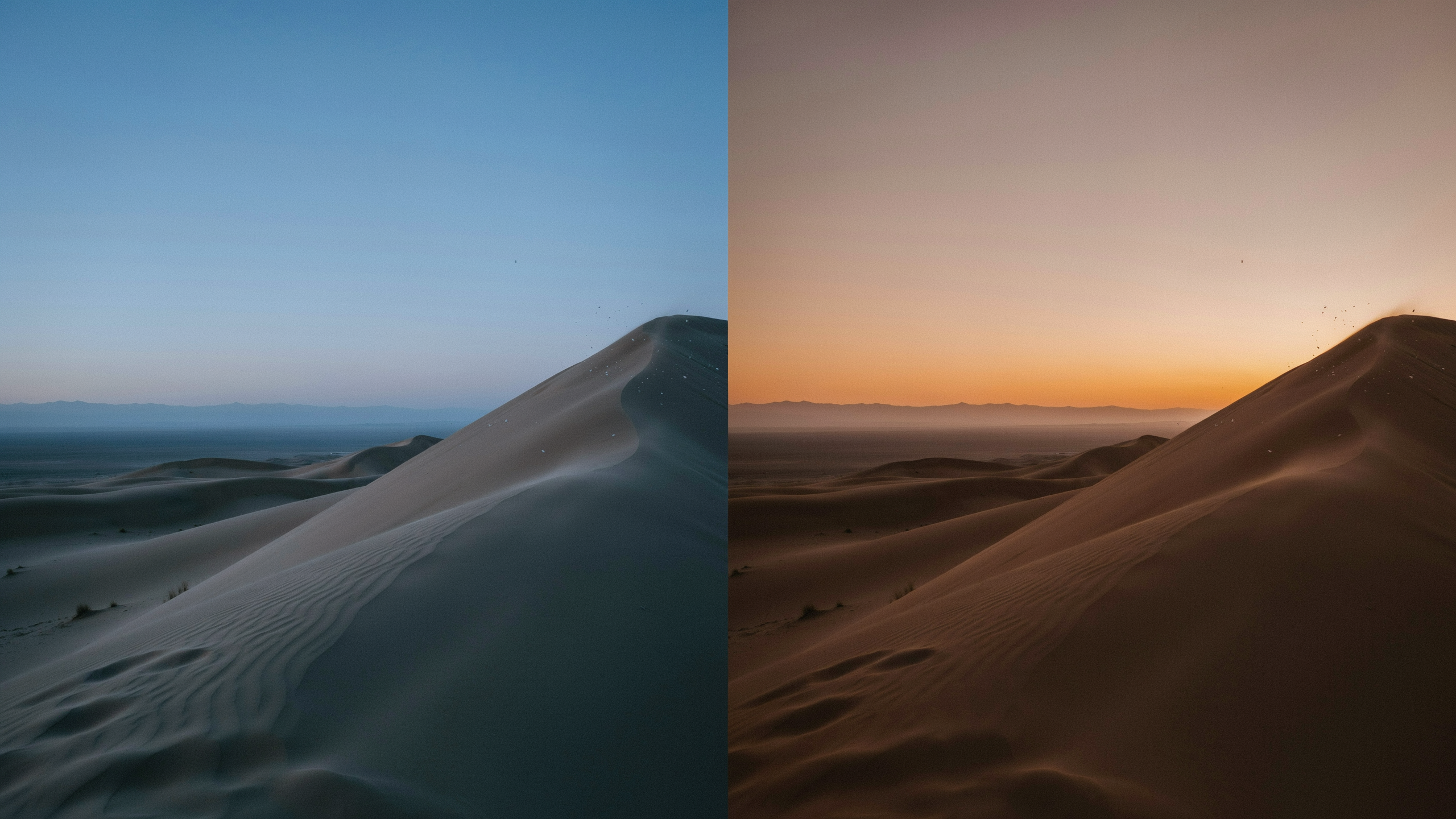
The core split in a morning vs evening desert safari comes down to four things: light, temperature, crowd levels, and the overall mood. Morning trips start around 7:30 to 8:30 AM, when the sand is still cool from the night and the sun sits low over the dunes. Evening trips usually begin between 3:00 and 4:00 PM, building toward sunset and a cooler night under the stars.
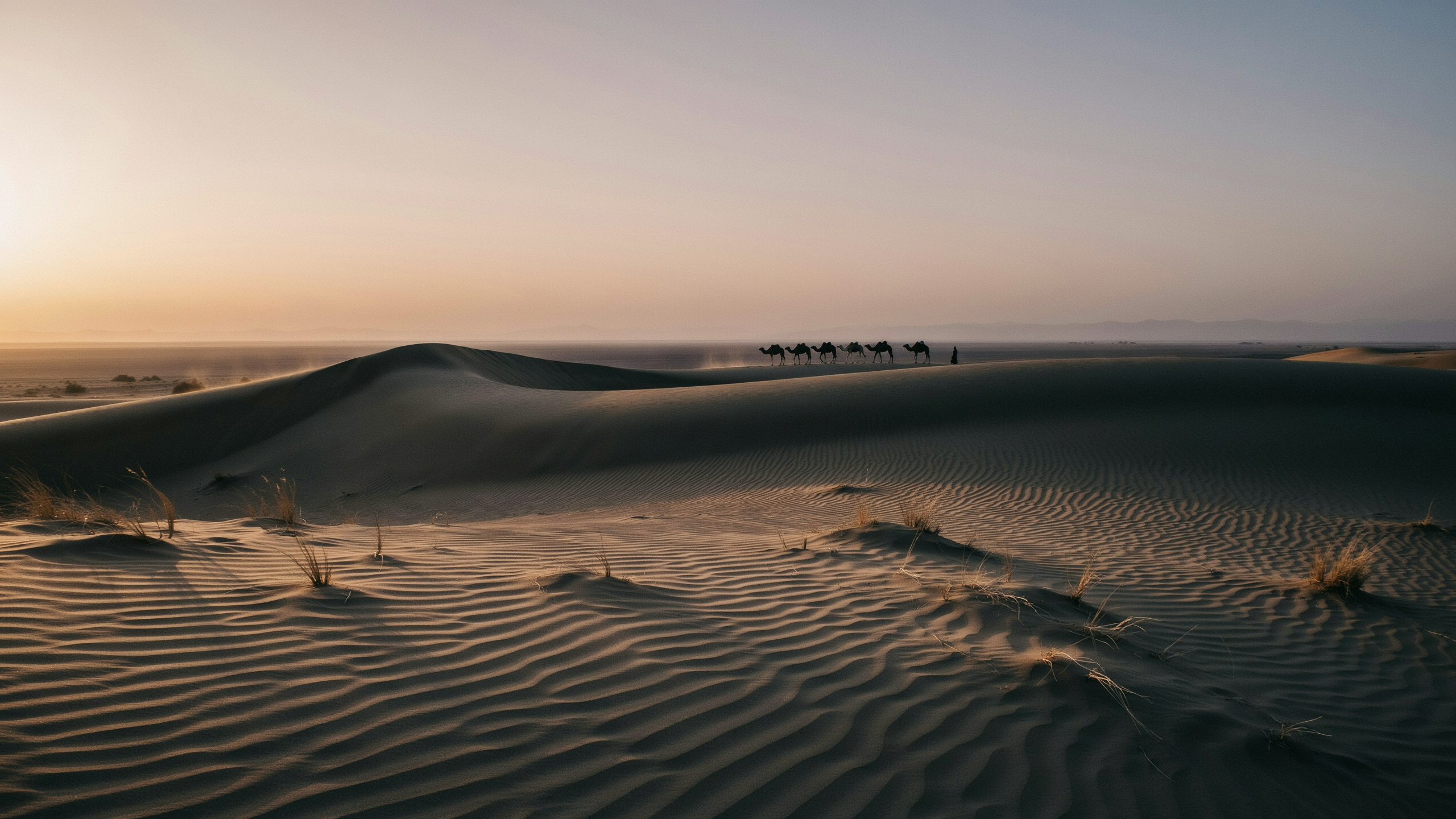
Light is the most obvious difference. A morning desert safari Dubai gives you soft, golden light that makes the dunes look clean and sharp, ideal for photography before the sun climbs too high. An evening desert safari Dubai starts in harsh afternoon glare, then shifts into the warm orange and pink tones of sunset, which many visitors find more dramatic. The Desert Safari Dubai | From 99 AED packages run both slots, so the choice often comes down to which kind of light you want in your photos.
Temperature follows the same arc. Mornings feel fresh, usually in the mid-20s Celsius during the winter season, and the heat builds slowly. Evenings start warm, sometimes over 30 degrees, then drop quickly once the sun goes down. That cooling effect is why evening tours feel more relaxed after the first hour.
Crowds shift too. Morning safaris draw fewer people, so dune bashing lines are shorter and the desert feels quieter. Evening safaris are the popular choice, especially for the BBQ dinner and entertainment, so expect larger groups and a livelier camp atmosphere. Neither is better; it depends on whether you want calm or celebration.
Morning Desert Safari Dubai: The Sunrise Experience
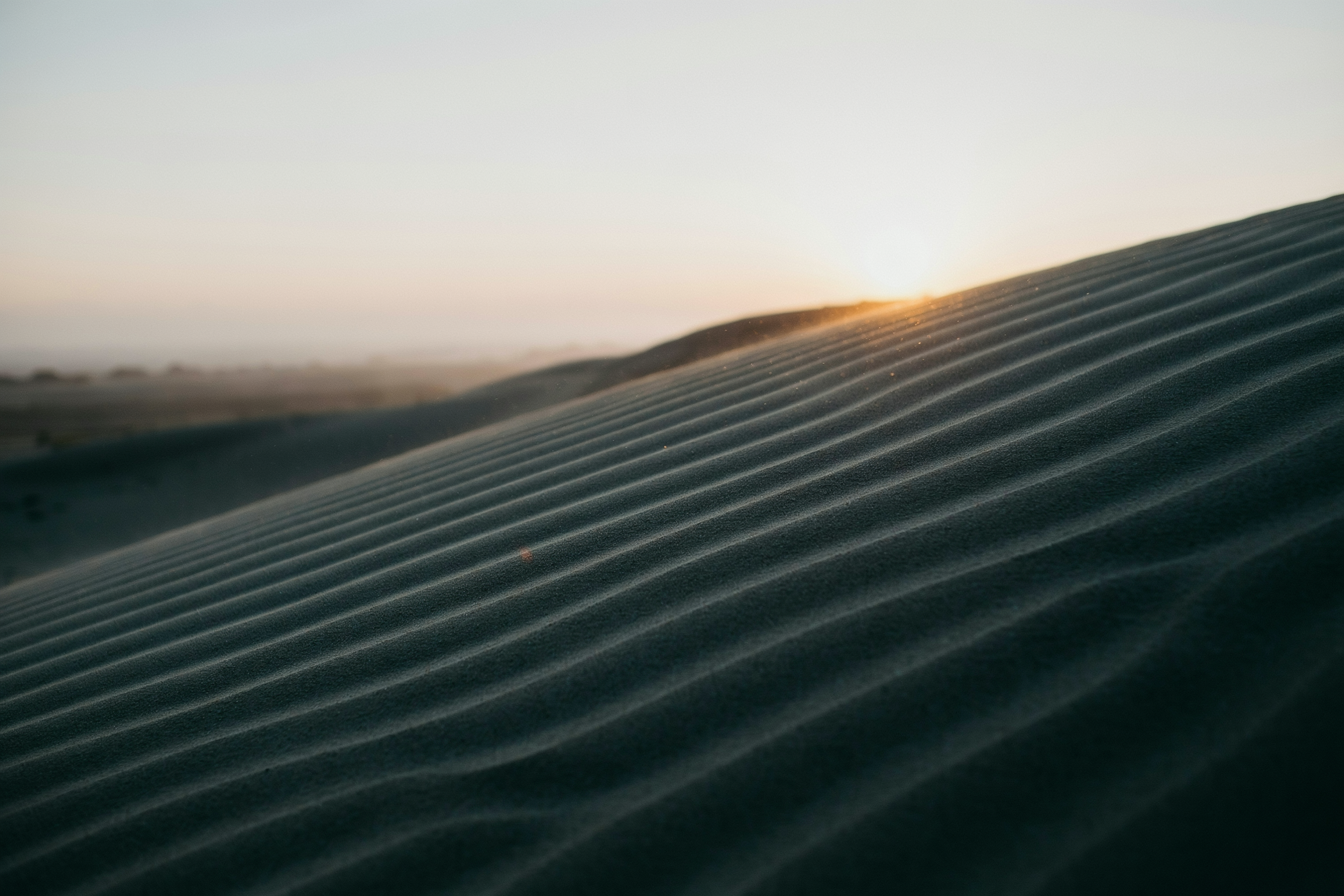
A morning desert safari Dubai pickup usually happens between 4:30 and 5:30 a.m. depending on where you’re staying and the season. The drive out to the dunes takes 45 to 60 minutes from most central Dubai hotels, so you arrive while the sky is still soft and dark. That early start is the trade-off for catching the desert before the heat builds.
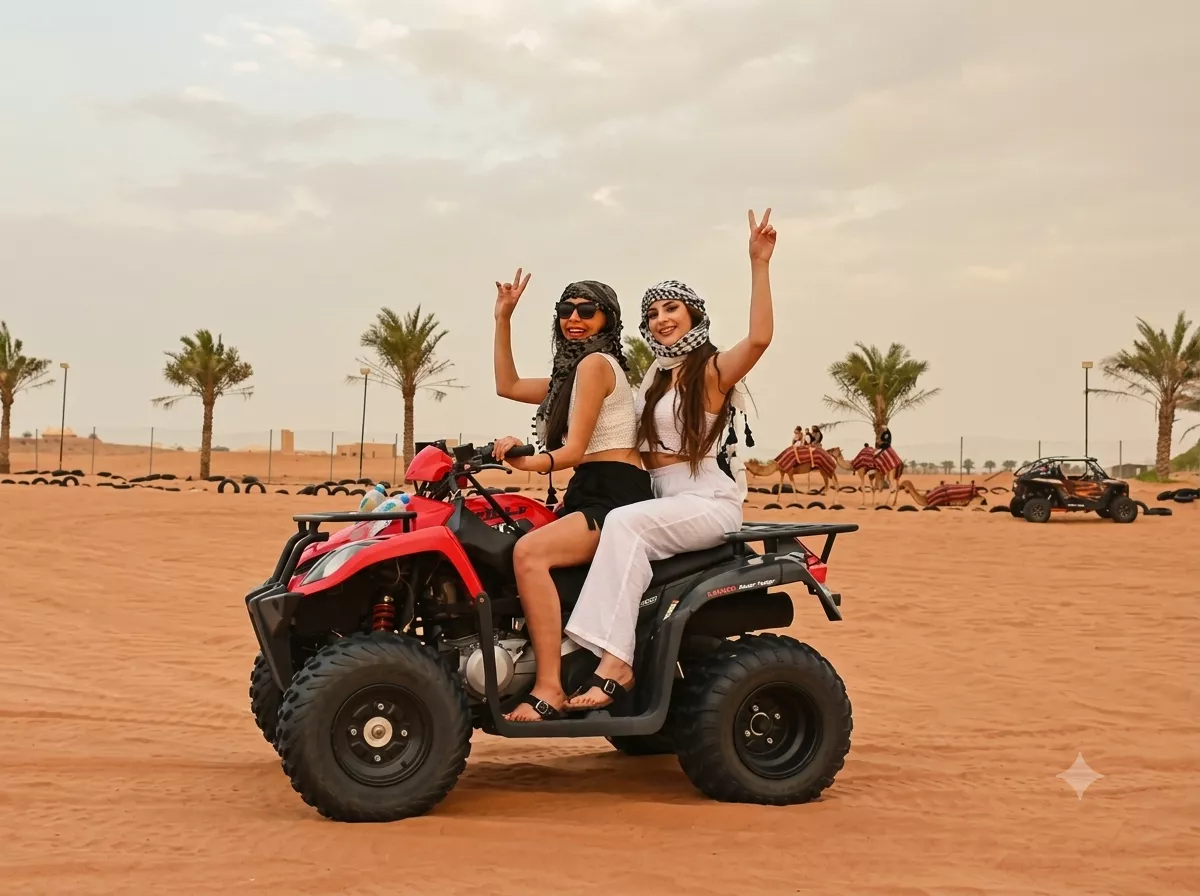
The dune bashing in the morning tends to be a little gentler than the evening run. Drivers still hit the big slopes and sharp drops, but the sand is cooler and firmer after the night, which makes the ride feel more controlled. If you’re new to dune bashing or traveling with kids, the morning slot is the easier introduction. You still get the stomach-lifting crests, just with fewer jolts.
Sandboarding is a highlight of the morning desert safari Dubai schedule. The sand is smooth and untouched from the night wind, so you get clean runs down the face of a dune. Most operators hand you a waxed board and point you at a slope between 20 and 30 degrees. You’ll get a few tries, and the soft landing sand keeps it forgiving for beginners.
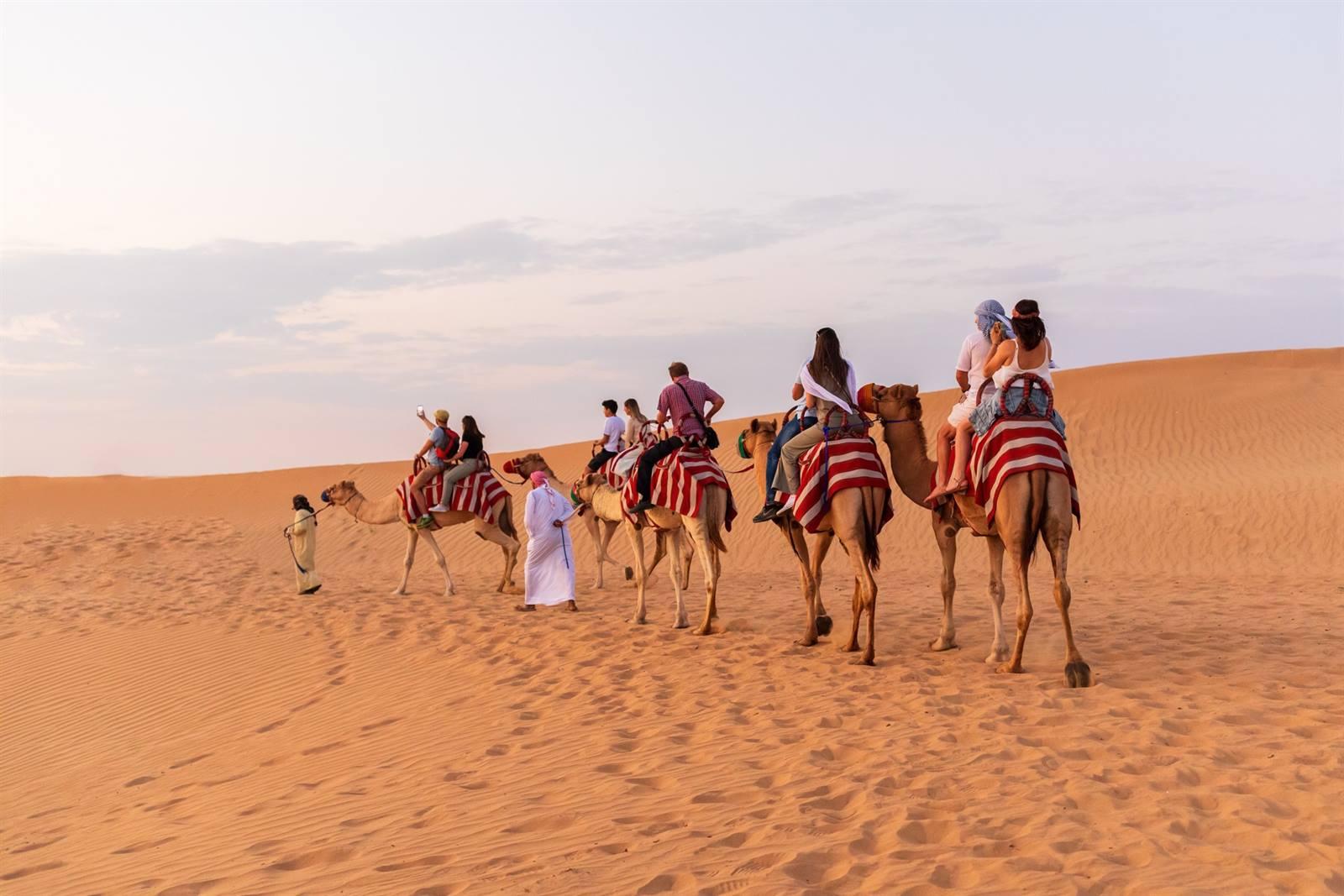
Camel rides in the morning are short, usually 10 to 15 minutes, and the animals are fresher before the midday sun. The light is low and golden, which makes for better photos than the harsh noon glare. You’ll also get a simple breakfast box or Arabic coffee and dates at the camp, though the full BBQ spread is reserved for the evening tours.
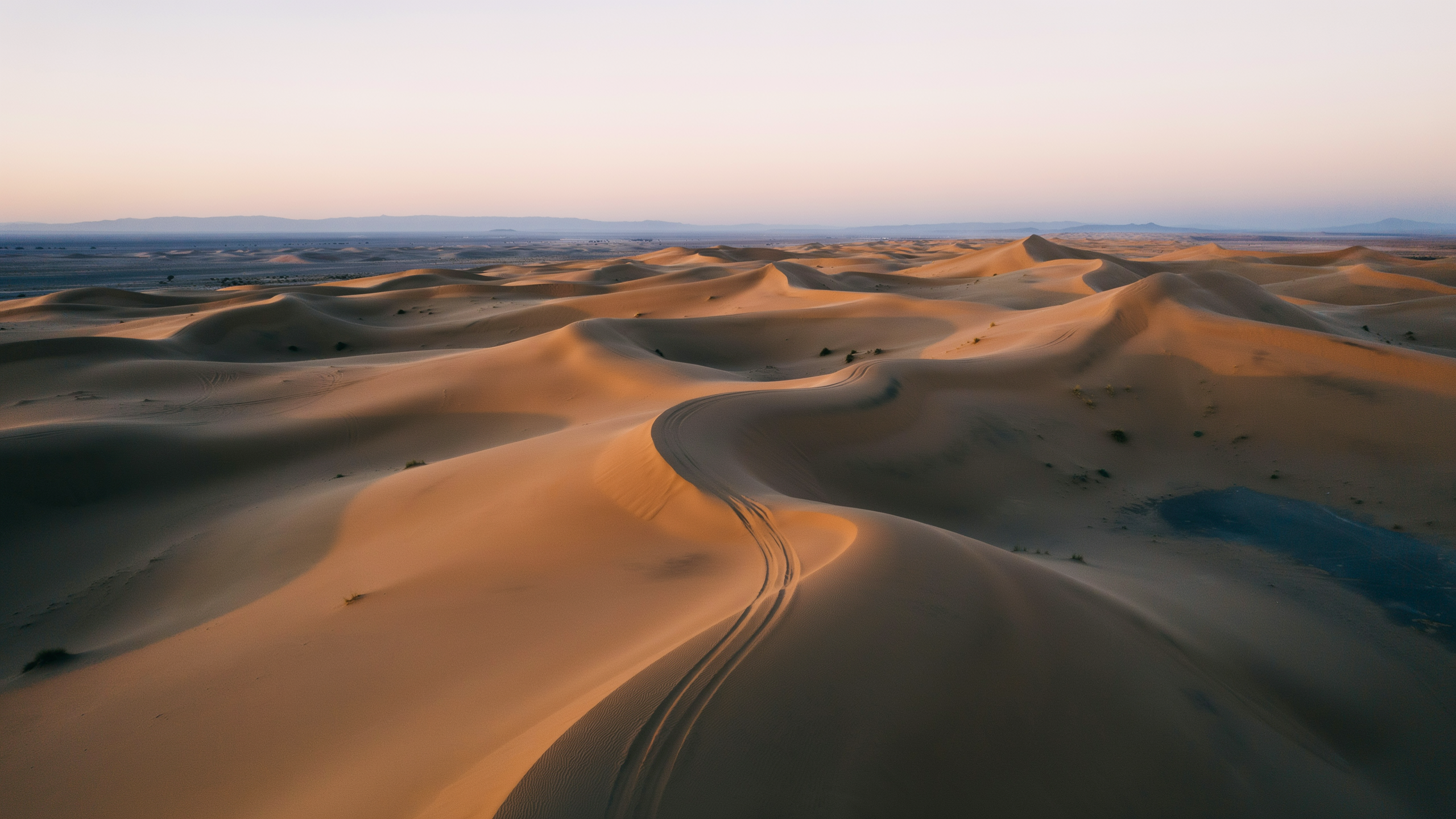
The sunrise itself is the reason people book this slot. From the top of a high dune, the sun comes up fast and paints the ripples in orange and pink. It’s quiet, with only the sound of wind and the occasional bird. If you want the desert to yourself, this is the window. By 9:30 or 10:00 a.m. you’re back at your hotel with the whole day still ahead.
Evening Desert Safari Dubai: Sunset, BBQ, and Entertainment
The evening desert safari Dubai is the one most first-time visitors picture when they think of the dunes. You get picked up from your hotel in the late afternoon, usually between 3:00 and 4:00 pm depending on the season. The drive out to the Lahbab desert takes about 45 minutes from downtown Dubai, and the light is already starting to soften by the time you arrive.
Dune bashing comes first. Drivers lower the tire pressure before heading into the sand, and the ride lasts around 20 to 30 minutes. After that, most tours stop at a high dune for sunset. This is the moment people post about later. The sun drops fast in the desert, and the sand shifts from gold to deep orange in under ten minutes. Bring a phone with a clean lens and keep your back to the sun for the best shots.
From there, the convoy moves to a Bedouin-style camp. Dinner is a buffet with grilled meats, rice, hummus, salads, and fresh khubz, plus dates and Arabic coffee on arrival. Vegetarian options are usually available, but it’s worth confirming when you book. The evening desert safari Dubai schedule is longer than the morning version because it builds toward the shows after dinner.
Entertainment typically includes a Tanoura dance, a fire show, and a belly dance performance. Some camps also offer henna, shisha, and camel rides before the meal. You’ll be back at your hotel around 9:30 or 10:00 pm. If you want the full desert safari timing with dinner and live performances, the evening slot is the one that delivers it. Dasertsafaridubai.com runs this route daily, and the Premium Desert Safari adds a shorter pickup window and a quieter camp section if you’d rather skip the crowd.
Desert Safari Timing: Hour by Hour
Most operators in Dubai run two fixed windows, and the Desert Safari Dubai | From 99 AED schedule follows the same pattern. Morning pickups start around 7:30 a.m. and run until 8:30 a.m. depending on your hotel zone. You’ll be back in the city by 11:30 a.m. or noon, which leaves the rest of the day free for the mall or the pool. Evening pickups are more spread out, usually from 2:30 p.m. to 3:30 p.m. in winter and 3:30 p.m. to 4:30 p.m. in summer, because the desert heat dictates when the dune bashing can safely begin. Return drop-offs land between 9:00 p.m. and 9:30 p.m. though the VIP Desert Safari Dubai Kids Go Free option sometimes runs later with a longer show.
The actual desert safari timing inside the camp is tighter than most people expect. A morning session gives you roughly 45 minutes of dune bashing, 20 to 30 minutes for sandboarding and photos, and a short camel ride before the convoy heads back. Evening sessions stretch longer because the camp portion adds time: dune bashing first, then sunset photos around 5:45 p.m. to 6:15 p.m. in winter, followed by the BBQ dinner and entertainment block from roughly 7:00 p.m. to 9:00 p.m. That’s why the Premium Desert Safari feels more relaxed, you’re not watching the clock the same way.
One practical note: pickup windows shift by about 30 minutes between December and July. If you’re booking in summer, expect the later end of the range. Confirm your exact pickup time the evening before, because the driver’s route depends on how many hotels are on the list that day.
Sunrise vs Sunset Safari: Which Light Is Better?
Photographers often split into two camps on this, and the difference comes down to more than personal taste. Sunrise light in the Dubai desert starts cool and soft, with a pale blue cast that shifts to warm gold within about 20 minutes of the sun clearing the dunes. The air is usually clearer in the morning, so distant ridges stay sharp instead of hazing out. Shadows are long and clean, which gives dune crests a crisp, sculpted look that’s hard to match later in the day.
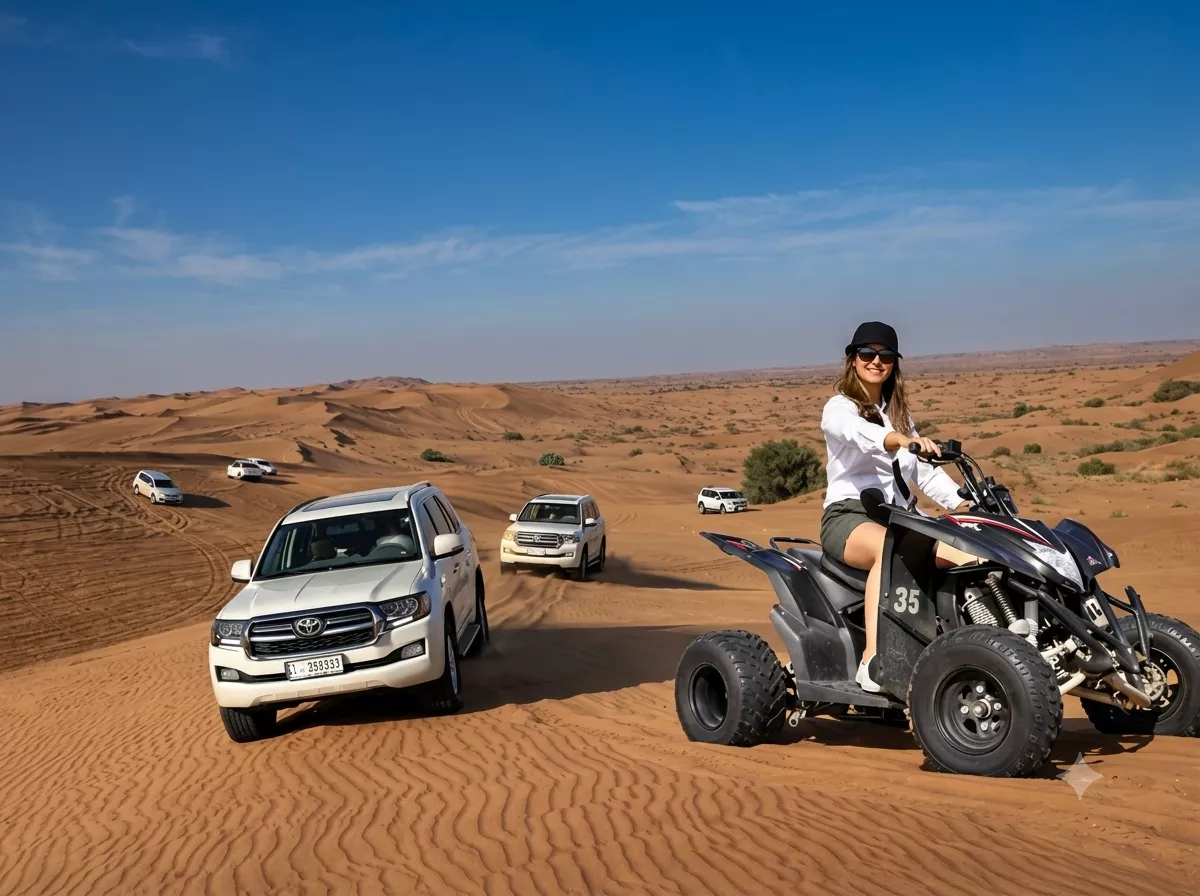
Sunset light runs the opposite direction. The first hour after the sun drops toward the horizon is intensely warm, with oranges and reds that deepen as the light fades. Dust kicked up by afternoon winds can soften the glow, and that’s often a good thing for portraits. Skin tones look flattering, and the sky behind a camel caravan or a row of 4x4s turns into a natural backdrop. The trade-off is speed. The best color at sunset lasts a short window, maybe 15 to 25 minutes, before the light goes flat and the sky darkens.
Crowds play a role too. Morning sessions draw fewer photographers, so you’ll have more room to frame wide shots without other groups in the background. Evening slots are busier, especially around the BBQ dinner setup, but that also means more activity to photograph. If you want clean, empty dune shots, book the morning. If you want atmosphere, firelight, and a sky full of color, the evening delivers. Both slots work, but they reward different kinds of shots.
Desert Safari Schedule: Activities Side by Side
A side-by-side look at the desert safari schedule makes the morning vs evening desert safari choice much easier. Morning tours pack their energy into a tight three-hour window, while evening packages stretch across six hours with dinner and live shows. The table below shows what each slot actually includes, so you can see where your time and money go.
| Activity | Morning Safari | Evening Safari |
|---|---|---|
| Pickup window | 7:30 to 8:30 AM | 2:30 to 3:30 PM |
| Dune bashing | 30 to 40 minutes | 30 to 40 minutes |
| Sandboarding | Included | Included |
| Camel ride | Short ride | Longer ride at sunset |
| Sunset photo stop | Not included | Included |
| BBQ dinner | Not included | Included |
| Tanoura and fire show | Not included | Included |
| Henna painting | Not included | Included |
| Return to hotel | Around 11:30 AM | Around 9:30 PM |
The morning desert safari Dubai schedule is built for travelers who want to be back at the hotel before the afternoon heat peaks. You get the core thrills, dune bashing and sandboarding, without the dinner and stage entertainment. The evening desert safari Dubai schedule adds the cultural layer on top of the same adventure, which is why it costs more and runs longer.
If you are comparing Premium Desert Safari options, the activity list is the same shape, just with shorter queues and a private camp section. Families often prefer the morning slot because kids are fresher, while couples and groups lean toward the evening for the full desert safari schedule with dinner under the stars.
Weather, Heat, and Comfort
Dubai’s desert doesn’t play fair with temperature. A morning desert safari Dubai typically runs from about 7:30 to 11:30 AM, when the sand is still cool from the night and the air sits in the mid-20s Celsius for much of the winter season. By contrast, an evening desert safari Dubai starts around 3:30 or 4:00 PM and rolls into the cooler hours after sunset, but the first hour can still hit the low 30s in peak summer. That difference shapes everything about how you’ll feel out there.
The real comfort gap shows up in summer, from June through September. Morning sessions finish before the worst heat arrives, while evening tours ask you to stand in direct sun during the pickup and first dune-bashing stretch. Winter flips the script slightly: mornings can feel genuinely cold before 9 AM, especially in January and February, so a light jacket makes sense even for a sunrise vs sunset safari comparison that leans toward early bookings.
What you wear matters more than the exact temperature. Loose cotton or linen layers work for both slots, but morning guests should pack a thin layer they can shed as the sun climbs. Evening guests need that same base layer plus something for the drop after dark, when desert air cools fast once the sun goes down. Closed shoes beat sandals for dune walking in either window, and a scarf or buff helps when the wind picks up during the late afternoon.
Humidity stays low in the dunes, so the heat feels drier and more manageable than the city. That’s why many visitors find a morning slot easier on the body, especially families with young kids or anyone sensitive to heat. The evening tradeoff is real though: you trade a hotter start for a spectacular sunset and a comfortable finish under the stars.
Who Should Book Morning, and Who Should Book Evening
Families with young children usually do better in the morning. The heat stays manageable, the dune bashing is gentler in fresh sand, and you’re back at the hotel before lunch. A morning desert safari Dubai slot also leaves the afternoon free for a mall, a nap, or the pool. If your kids fade by 8pm, skip the evening show.
Photographers should think about what they want to capture. Sunrise gives you clean dunes, long shadows, and almost no footprints. Sunset gives you color, silhouettes, and the camp lights coming on. Neither is better. It depends on the shot. If you want both, book a morning slot one day and an evening slot another, or ask about a sunrise vs sunset safari combo.
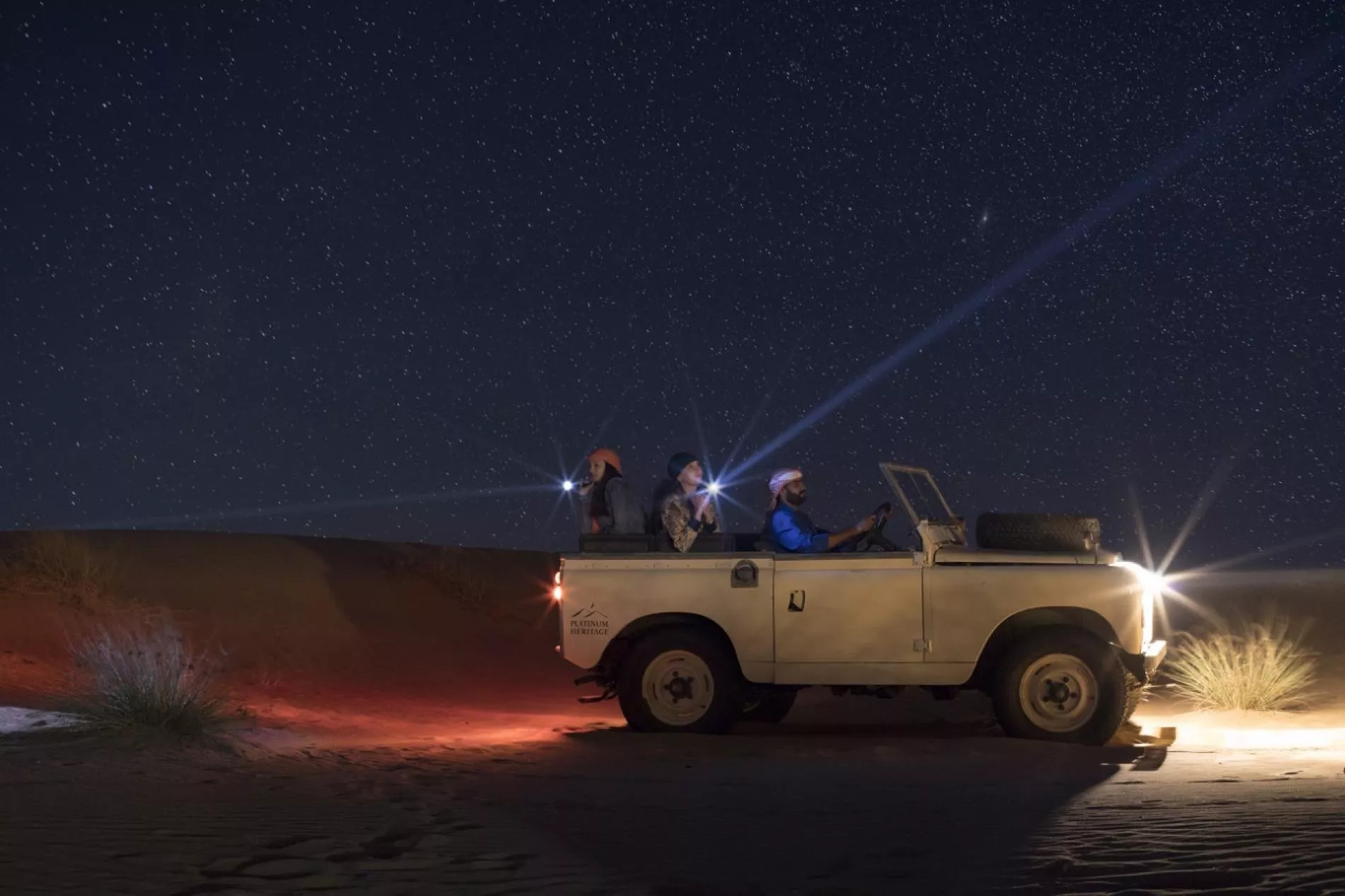
First-timers often get more from the evening. You see the full arc: dune bashing, camel ride, sandboarding, falcon display, henna, shisha, BBQ dinner, and the tanoura and belly dance shows. The evening desert safari Dubai experience is the complete package, and the cooler air makes the whole thing easier to enjoy. The trade-off is a late return, usually between 9:30pm and 10:30pm.
Travelers with limited time should match the safari to their flight schedule. A morning slot works if you land at night and have one full day. An evening slot works if you arrive in the morning and want to do the city first. Check the desert safari timing before you book, because pickup windows shift with the season. In summer, morning pickups start as early as 4:30am, and evening pickups move later to avoid the worst heat.
If you’re deciding between the two, the honest answer is that most people enjoy the evening more, but the morning is more practical for tight schedules, small kids, and serious photography. Dasertsafaridubai.com runs both slots daily, so you can pick the one that fits your trip instead of forcing a square peg into a round hole.
What to Wear and Bring for Either Slot
Packing for a morning vs evening desert safari comes down to one rule: dress for heat, but carry a layer. Mornings start cool, often around 20°C before sunrise, then climb fast once the sun clears the dunes. Evenings do the reverse. You’ll feel warm at pickup, then chilly after the BBQ when the wind picks up. Loose cotton or linen clothes work best for both. Skip jeans if you can, they trap heat and get uncomfortable after dune bashing.
Closed shoes beat sandals. The sand gets into everything, and you’ll want grip when climbing a dune for photos. Trainers are fine. If you’re doing a morning slot, bring a light jacket or hoodie for the first hour. For evening, pack the same layer for after sunset. A scarf or shemagh helps with dust and doubles as a neck cover in the wind.
Most people overpack. You don’t need much: sunglasses, sunscreen, a power bank for your phone, and a small bottle of water even though operators provide drinks. Leave valuables at the hotel. Cameras and phones are enough, and the camp staff usually have lockers if you ask. For a full rundown on fabrics and what to avoid, our What To Wear guide covers the details without the guesswork.
If you’re booking through Dasertsafaridubai.com, the pickup vehicle has space for a small day bag, so bring one layer and one spare pair of socks. That’s honestly all you’ll use.
Pricing and Value: What You Actually Get
Money talks, especially on holiday. Morning desert safari Dubai packages are usually the cheaper entry point, often starting around 99 AED per person for a basic sunrise run with dune bashing, sandboarding, and a short camel ride. Evening desert safari Dubai packages carry a higher base price because the schedule is longer and the inclusions are heavier: BBQ dinner, live shows, henna, shisha, and sometimes a falcon display. You’re not paying for the same experience with a different clock.
Dasertsafaridubai.com keeps the pricing transparent, with Premium Desert Safari options that bundle the extras most tourists actually want. A morning slot might run two to three hours door to door. An evening slot can stretch to six or seven, which explains most of the price gap. The value question isn’t which one is objectively better. It’s what you’d otherwise do with those hours and that money.
If you’re on a tight budget or a short layover, the morning wins on pure cost per activity. If you want the full cultural evening, the higher price buys you dinner, entertainment, and cooler temperatures. Check the VIP Desert Safari Dubai Kids Go Free page when traveling with children, because family pricing can flip the value equation quickly. Some packages waive child fees entirely, which makes the evening option far more affordable for a family of four than the headline rate suggests.
Also factor in what’s already paid for. Hotel breakfast is usually included in your stay, so a morning safari means you might skip a meal you’ve already bought. An evening safari replaces a restaurant dinner you’d otherwise pay for out of pocket. That’s real money, and it narrows the gap more than most travelers expect.
For a complete overview of safari options, activities, prices, and helpful tips, explore our Dubai Desert Safari full guide.
Frequently Asked Questions
Is morning or evening desert safari better for first-time visitors?
Evening works best for most first-timers because you get dune bashing, camel rides, a BBQ dinner, and live shows in one booking. Morning is better if you want cooler air, fewer crowds, and a shorter trip before the heat builds.
What time does a morning desert safari start in Dubai?
Most morning desert safaris pick you up between 7:00 and 8:00 AM, so you reach the dunes before the sun gets strong. The whole trip usually ends by noon, which leaves your afternoon free for shopping or relaxing at the hotel.
What time does an evening desert safari start in Dubai?
Evening safaris typically collect guests between 3:00 and 4:30 PM, depending on the season. You’ll catch the sunset over the dunes, then stay for dinner and entertainment. Expect to be back at your hotel around 9:30 or 10:00 PM.
Is a morning desert safari suitable for children?
Yes, and many families prefer it. The shorter schedule and cooler temperatures suit younger kids, and you avoid the late night that comes with an evening safari. Some operators still include camel rides and sandboarding in the morning package.
Can I do both a morning and evening desert safari on the same day?
You can, but it’s a long day and most people find it repetitive. If you want both experiences, book the morning for dune bashing and sandboarding, then choose a relaxed evening option focused on dinner and cultural shows rather than repeating every activity.
Which safari option gives better photos?
Evening wins for golden-hour shots, especially during sunset over the red dunes. Morning gives you soft light and clear skies, which works well for landscape photos. If photography matters, check the desert safari schedule so you arrive before the light changes.
Do morning and evening safaris cost the same?
Usually not. Evening safaris cost more because they include dinner, entertainment, and a longer itinerary. A basic morning desert safari Dubai trip is often cheaper, while premium evening packages with private tables and upgraded menus sit at the higher end.
Is hotel pickup included for both safari times?
Most operators in Dubai include hotel pickup and drop-off for both morning and evening slots. Confirm your exact pickup time when you book, since traffic and the season can shift the schedule by 15 to 30 minutes.
Which is less crowded, morning or evening?
Morning is noticeably quieter because fewer tourists book the early slot. You’ll share the dunes with fewer vehicles, which means shorter waits for activities and more open space for photos. Evening draws the bigger crowds, especially in peak season from November to March.
What should I wear for a morning vs evening desert safari?
For morning, wear light layers and closed shoes, and bring a hat. Evenings cool down after sunset, so pack a light jacket from October through April. Loose cotton clothing works for both, and sunglasses help against blowing sand at any hour.